
AI Agents · July 31, 2026
WhatsApp Business API: how long Meta's approval really takes (2026)
Meta replies with a "200 OK" and the message never arrives. The complete guide to the real process of connecting the WhatsApp Business API: how long each of the 6 stages actually takes, why a success code is not a delivery, and the 3 questions to ask before hiring anyone to do it.
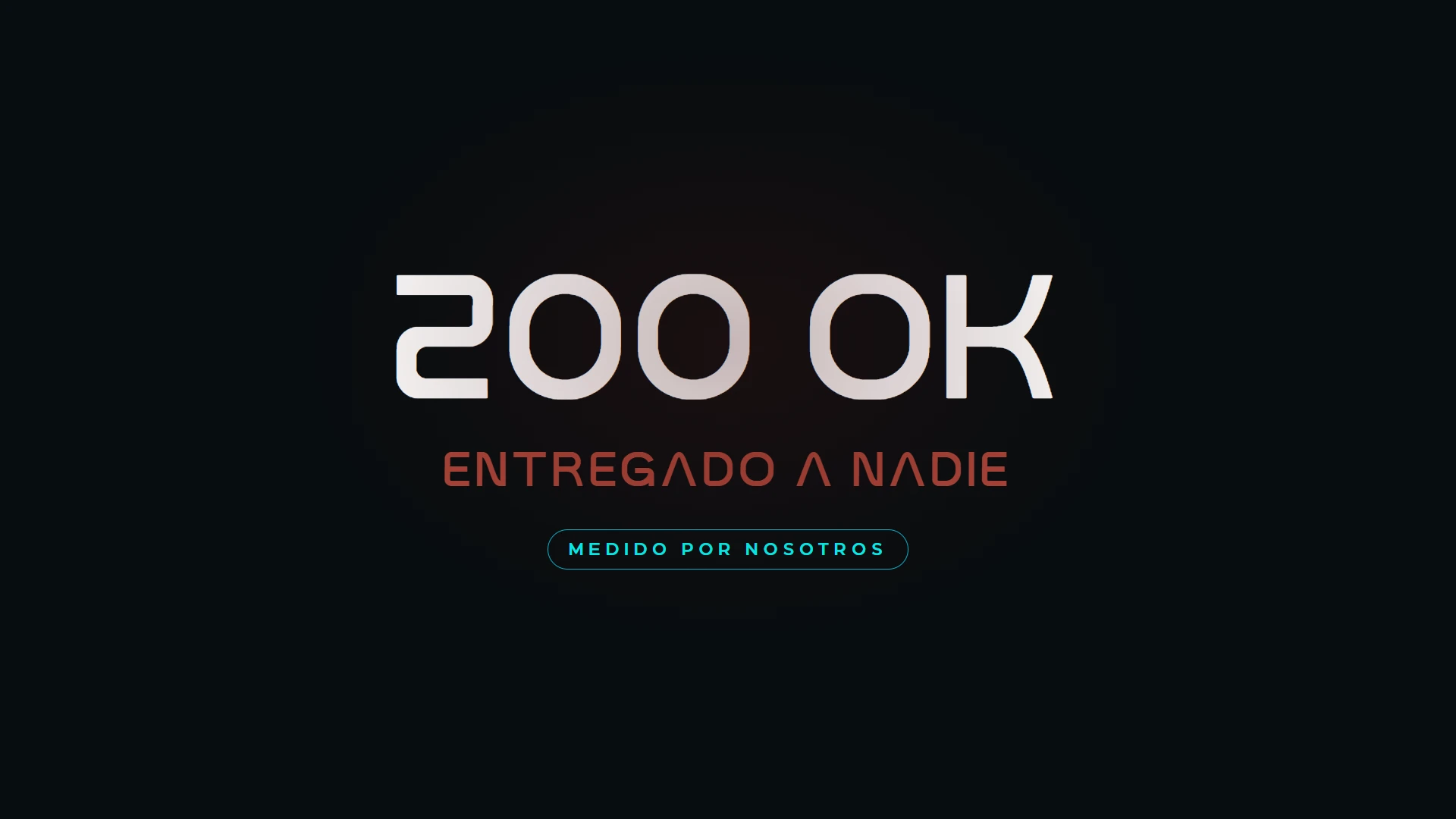
Meta responds with a success code. Your system says "sent." And your client never received anything. We discovered this problem while building the AI WhatsApp system for a premium beauty salon in Bogota, and when we audited deliveries we found that a full reminder campaign had gone out with "200 OK" and reached no one. Among those people was a client with an appointment that same day.
This guide is the complete map of the real process for connecting the WhatsApp Business API (Meta's official platform that lets software send and receive messages on behalf of your business) to a production system: the actual time each stage takes, the template mistake almost nobody audits, and the 3 questions that separate someone who has actually done it from someone who is improvising. If you prefer the video format, watch the full explanation on YouTube.
The confusion that saves weeks: the app vs. the official platform
The WhatsApp Business app you download on your phone and the official WhatsApp platform for businesses are not the same thing. The phone app is run by a person: it works, and for many businesses that is enough. The official platform is infrastructure: it lets software send and receive messages on behalf of your business, with its own account, its own permissions, its own audit trail, and its own per-message rate. If someone offers to automate WhatsApp for you and never mentions this difference, they have never actually done it.
The complete process: 6 stages
Two of the six stages depend entirely on you and can be resolved in an afternoon: creating the accounts (Meta Business, the app, and the business's WhatsApp account, called a WABA in the jargon) and registering the number. It has to be a number you can answer to receive the verification code, and if you already used it in the regular WhatsApp app, you first need to migrate it.
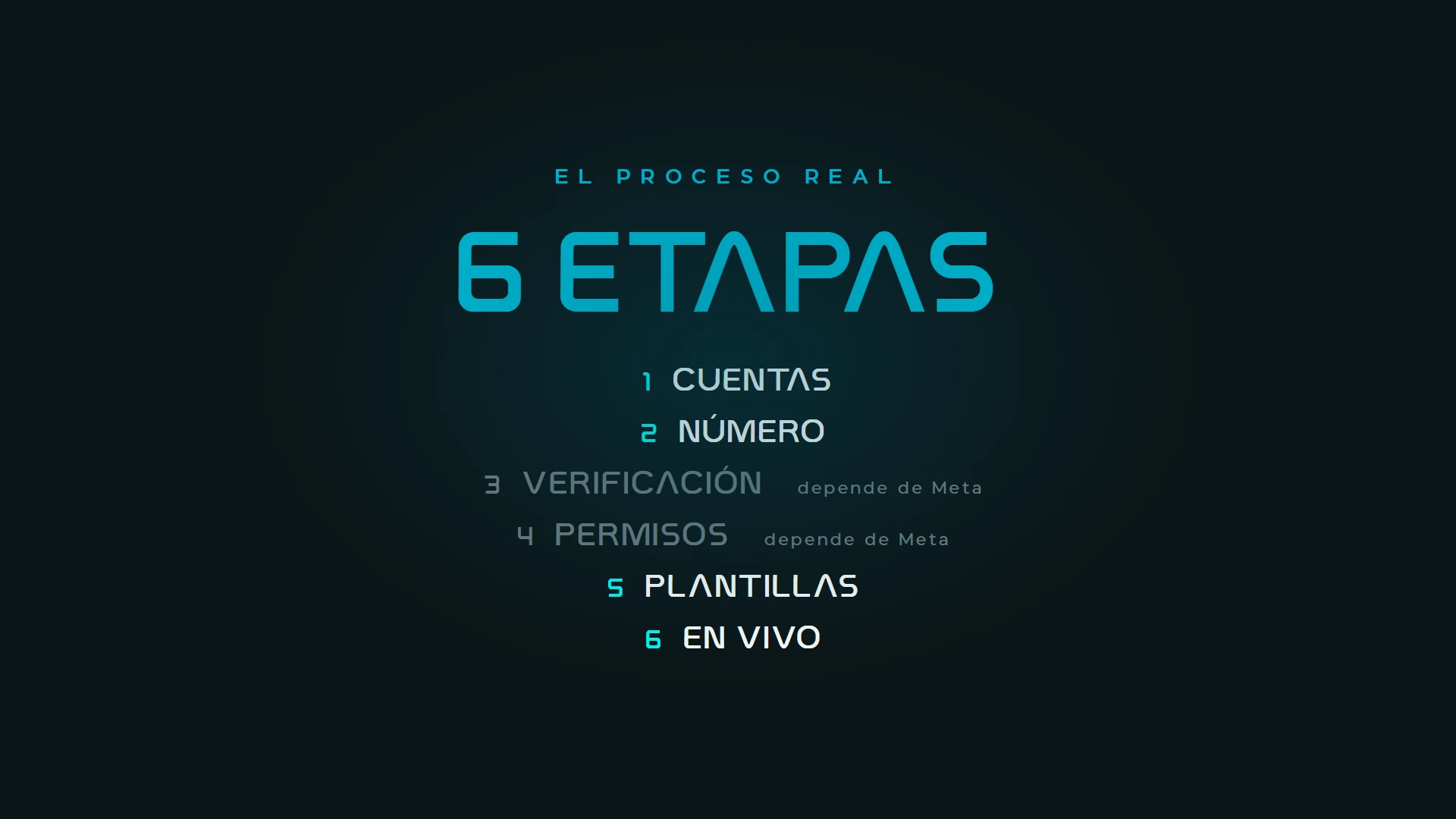
Stages 1, 2, and 5 (accounts, number, and templates) depend on you and are measured in hours. Stages 3 and 4 (business verification and permission review) depend on Meta, and that's where the calendar stops being yours. Nobody can promise you an exact date for those two steps: anyone who does is guessing.
Stage 4: permission review, the one that breaks timelines
For your system to do more than just reply (book appointments, send reminders, re-engage clients), Meta has to approve your permissions. They ask for a form, published legal pages, and videos showing how each permission is used, recorded for a reviewer who does not know your business.
Meta promises 5 to 10 business days. In our case, approval arrived on June 9; from the moment we submitted it to that date, at most 11 calendar days passed. We say "at most" on purpose: we did not log the exact day we hit submit, so 11 is the ceiling, not the stopwatch. And in the middle something worse happened: our panel got locked over a separate review in progress, with a notice that said 24 to 72 hours and ended up lasting more than 8 days.
The practical lesson: while you're waiting on a Meta review, you cannot start another one. Everything that depends on you, record it and write it up before you submit the first one. And if your review gets stuck longer than announced, write to support in English: in our case, that's what unblocked it.
Stage 5: templates, the concept that saves you the most money to understand
If a client messaged you in the last 24 hours, you can reply with anything, in whatever wording you want. If more than 24 hours have passed, you can only message them with a template Meta already approved, and that costs money. This means that without approved templates, your system is purely reactive: it cannot remind someone of an appointment, cannot confirm the day, cannot re-engage a client who has not come back. The ability to write first is bought with approval, not with code.
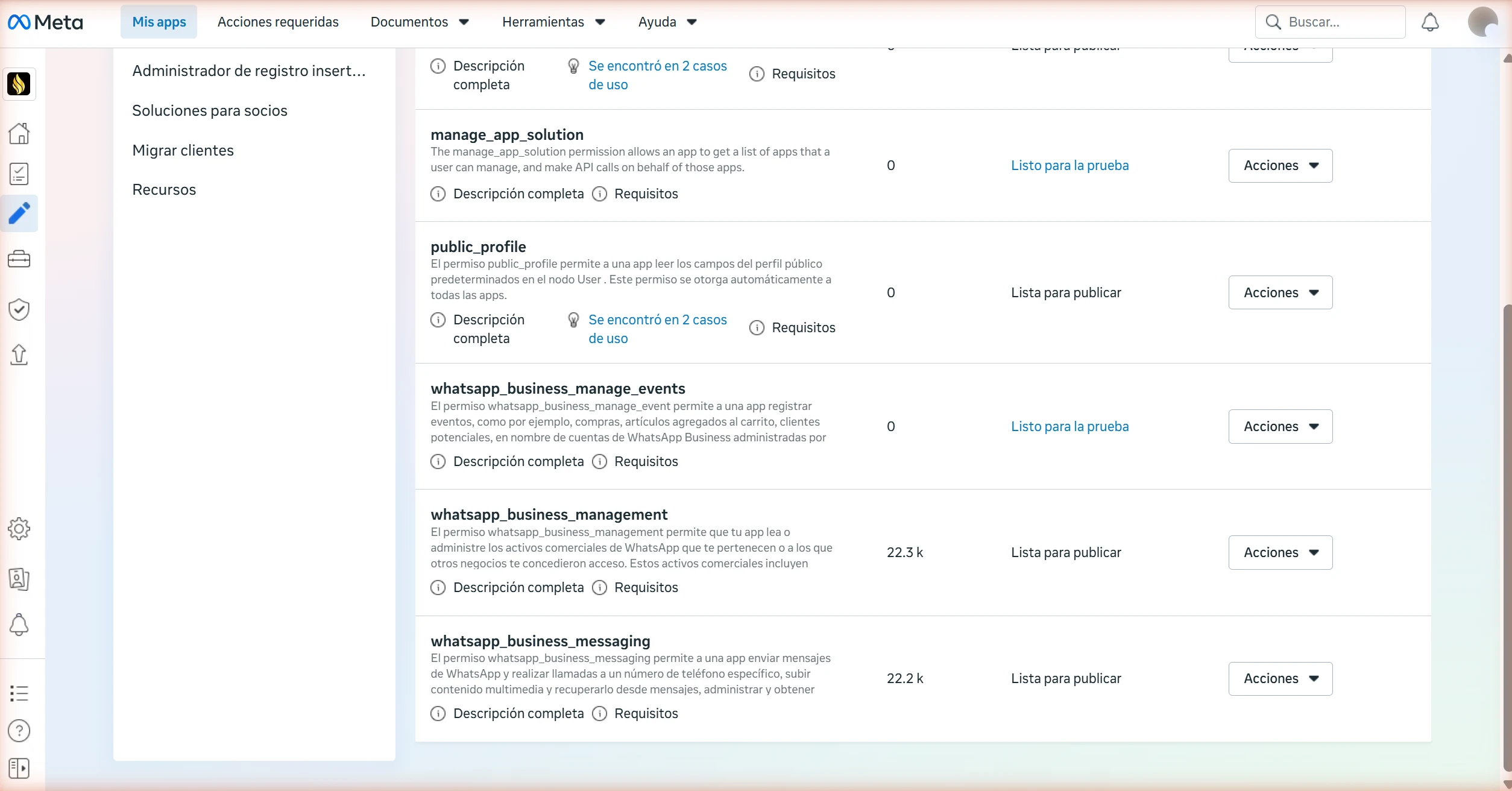
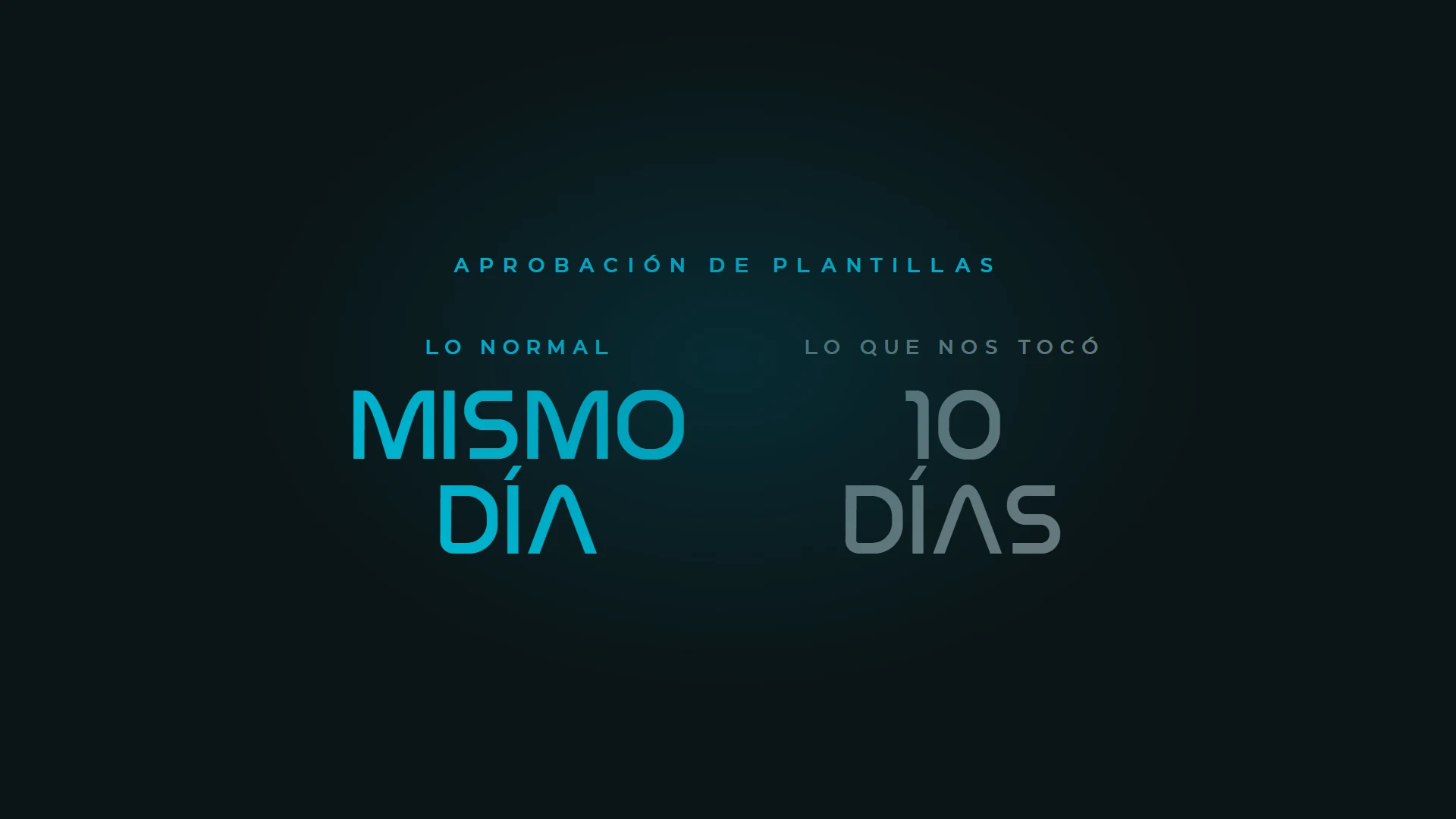
How long does template approval take? In our experience, almost always the same day, anywhere from minutes to a couple of hours. But we had one that took 10 days. And watch out for this: Meta can recategorize your template on its own. It happened to us: one we registered as utility got moved into the marketing category, which is the most expensive one. The good news is that if it happens to you, Meta notifies you and gives you 60 days to appeal the change: you are not stuck with the expensive rate forever without a chance to dispute it.
If a template gets rejected, do not guess why: pull the status directly and read the error code. The rejection we ran into was not about content, it was structural (one variable in the text and two example values), and it's fixed in minutes once you know what to look for.
The incident: 200 OK, delivered to no one
And here's where we get to the story from the start. We sent a reminder campaign outside the 24-hour window, without an approved template. Meta responded that everything was fine: code 200, success. It reached no one. Among those people was a client with an appointment that same day who never received her reminder.
We only learned about it because we audit deliveries. If you don't audit, you never find out: your system tells you it's sent and you believe it. Ask your provider how they audit deliveries. If they don't have an answer, that is your answer.
Your messaging limit is not set by your plan
It's set by the quality of your number. If people block you or opt out, your rating drops from green to yellow, and that degrades all your messaging, reminders included. One nuance that saves an unnecessary scare: a template can have hundreds of messages delivered and still show no quality rating. That just means it lacks volume, not that something is wrong.
The 3 questions to ask before hiring someone for this
If you are about to connect WhatsApp to a system, or evaluating whoever is going to build it for you, these 3 questions separate someone who has actually done it from someone who is improvising:
- How long did your last Meta permission review actually take? Someone who has done it gives you a number, not a generic range copied from Meta's docs.
- How do you audit that messages were actually delivered? A success code is not a delivery. If they don't have an answer, that is your answer.
- What happens if Meta recategorizes my templates? They need to know the 60-day appeal window exists and how to use it.
If all three answers are vague, keep looking.
Downloadable resource
The master checklist in PDF: the 6 stages with their pre-flight steps, the measured timelines, and the 3 questions, in 10 print-ready pages to verify before every step.
What we learned building this system
We learned all of this building the AI WhatsApp system for a premium beauty salon in Bogota, with the stages measured in real time and documented as they happened, not reconstructed from memory afterward. If you are about to automate WhatsApp for your business and want the process done right from the first try (including the delivery audit that prevents the "phantom 200 OK" problem), our 30-minute Discovery call comes at no cost and with a diagnosis of your case. You can also message us on WhatsApp if you have a specific question about your case.